Waste Management

Green operation is the environmental management goal of FEDS. We strive to reduce the impact of operations on the environment, and strictly control items such as waste disposal, resource recycling, waste oil fume emission, and waste (sewage) water to reduce environmental pollution.

To effectively control waste growth, FEDS takes “source reduction” as its core strategy, promoting reduction measures simultaneously on both the consumer and operational sides. On the operational side, FEDS continues to guide dining counters, reducing food waste through ingredient quantity control, while establishing a food waste pre-treatment mechanism that requires draining moisture before disposal. Each branch is also equipped with large refrigeration equipment to store food waste, reducing odor and pollution risks.On the consumer side, in line with the government’s plastic reduction policy, FEDS promotes measures such as not providing disposable tableware and plastic straws for dine-in services, reducing the use of single-use plastic products. 
Waste Disposal

Recycle

Waste Oil Fume Emission

Sewage

Waste Treatment to Reduce Environmental Waste

FEDS regards “garbage, food waste, and waste oil” primarily generated from the day-to-day operation as the focus of department store waste management. We have implemented a classification system in our offices and operating stores to strengthen the classification management of garbage. Waste from the stores has also been cleared and transported in accordance with the law, and qualified vendors are hired to recycle or incinerate waste respectively.

In addition, each branch of FEDS has set up large refrigeration equipment to store kitchen waste to avoid polluting the environment. To further improve data accuracy and management efficiency, FEDS plans to introduce the “pay-byactual-weight” system starting in 2026, and has set a management target of a 3% annual reduction starting in 2027, to strengthen waste reduction management.

Waste Statistic

Unit: tons

Note : Data for the FEDS Zhubei was added in 2022; data for the Baoqing Store was removed in 2024.

Recycling Sustainable Resources

FEDS actively promotes the recycling of recyclable waste resources to facilitate the sustainability of limited resources on Earth. To enhance the effectiveness of resource recovery and recycling, FEDS established subsidiary resource recovery management indicators in 2018. This is to achieve the sustainable goal of resource reuse. In 2025, the amount of recycled resources reached 1,535 metric tons, an increase of 3% compared to the previous year.

Total Recycling Over The Years

Unit: tons

Improvement in Waste Oil Fume Treatment Efficiency

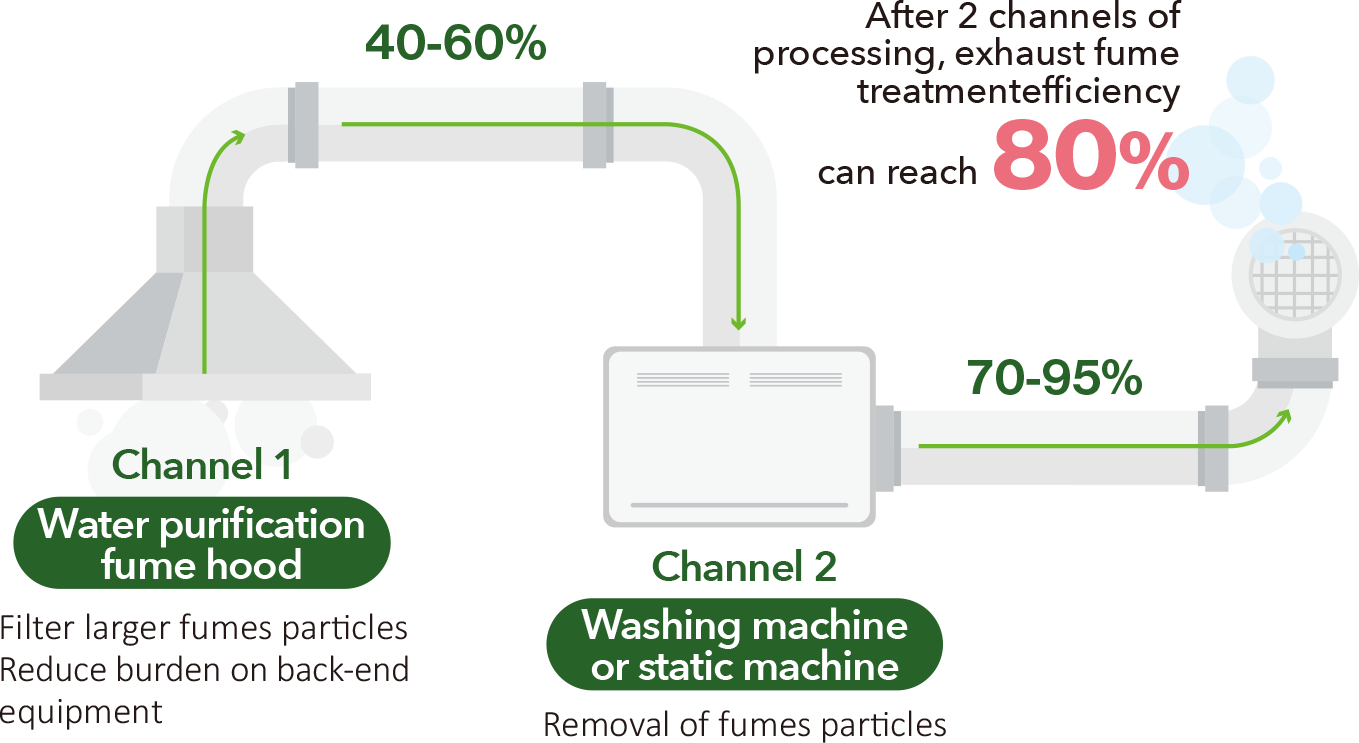
FEDS utilizes a water purification type oil fume hood system at the front end and a water washing machine system at the back end. The advantages include the ability to treat oil fumes at the front end through water purification, preventing the accumulation of grease in vertical exhaust pipes, and achieving the functions of kitchen cooling, reducing air conditioning waste, and fire prevention. After undergoing two treatment processes, the oil fume treatment efficiency can reach 80%. In 2025, FEDS invested NT$11.37 million in the cleaning and maintenance of exhaust ducts and fume hoods, continuously enhancing the quality of oil fume treatment and the intensity of equipment maintenance.

Promoting the Integration of Sewage into the Pipeline System

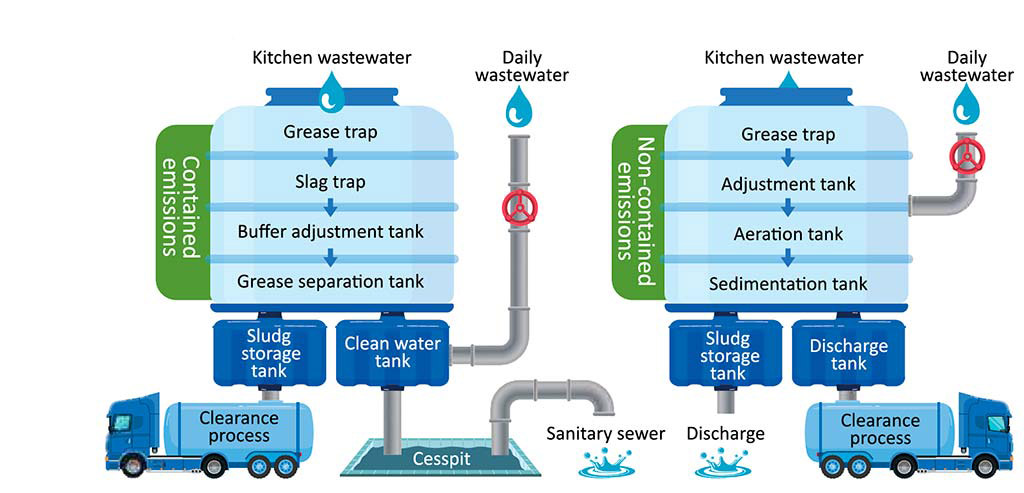
All stores of FEDS are equipped with large oil interceptors. These interceptors undergo processes such as debris collection, oil interception, and the addition of degreasing and deodorizing agents, before discharging into the municipal sewage system. For wastewater that is not discharged into the municipal system, in addition to the aforementioned treatment processes, separate wastewater treatment tanks are installed. Through processes of equalization, biological treatment, sedimentation, and chemical filtration, the wastewater is treated to meet regulatory discharge limits before being released.

2025 Wastewater Prevention and Treatment Expenditure

Tip: please scroll horizontally when viewing this page on your mobile device
MeasuresInvested costs
Regular maintenance of wastewater equipment and wastewater testingNT$2.79 million
Application of wastewater treatment chemicalsNT$3.48 million